
28 окт Automated Forex Trading A Comprehensive Guide to Algorithmic Success
In today’s fast-paced financial markets, automated forex trading Turkey Brokers have been at the forefront of adopting advanced trading technologies. Automated forex trading, also known as algorithmic trading, has gained immense popularity among traders looking to optimize their trading strategies and streamline their operations.
What is Automated Forex Trading?
Automated forex trading refers to the use of computer algorithms to execute trades in the foreign exchange market. By employing pre-defined criteria for buying and selling currencies, traders can eliminate the emotional component of trading, reduce human error, and capitalize on market opportunities more efficiently.
Benefits of Automated Forex Trading
There are several advantages to utilizing automated trading systems:
- Speed: Algorithms can process vast amounts of data and execute trades within milliseconds, far outperforming human traders.
- Emotionless Trading: Automated systems are devoid of human emotions like fear and greed, which can cloud judgment and lead to poor trading decisions.
- Backtesting: Traders can test their strategies on historical data to see how they would have performed, helping them refine their systems.
- Consistent Strategy Implementation: Automated systems follow trading plans precisely, ensuring that trades are executed as intended without waver.
- Diversification: Traders can monitor multiple accounts and various strategies simultaneously, increasing potential profit opportunities.
How Automated Trading Works
Automated trading systems operate through programming languages such as Python or MQL (MetaQuotes Language) used in MetaTrader platforms. Here’s a simplified breakdown of how these systems work:
- Strategy Development: Traders create a set of rules based on technical indicators, price action, or fundamental events.
- Programming: The strategy is translated into an algorithm using appropriate programming languages or platforms.
- Backtesting: The algorithm is tested against historical data to evaluate its effectiveness.
- Deployment: Once validated, the algorithm is implemented in real-time trading environments.
- Monitoring and Adjustment: Continuous monitoring is crucial to assess performance and make necessary adjustments to the strategy.
Choosing an Automated Trading System
When selecting an automated trading system, traders must consider various factors:
- Reputation: Ensure that the system or software has a proven track record and user testimonials.
- Performance Metrics: Review critical performance indicators such as drawdown, win rate, and return on investment.
- Compatibility: The software should be compatible with the trading platforms and brokers being used.
- Support and Updates: Look for systems that provide ongoing support and updates to adapt to changing market conditions.
Popular Automated Trading Strategies
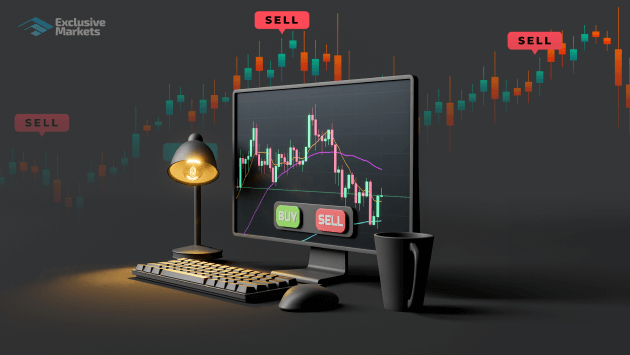
Traders can implement various strategies using automated systems. Here are some common approaches:
1. Trend Following
This strategy involves identifying and following the prevailing trend in the market. Algorithms can execute trades in the direction of the trend, helping traders maximize gains during strong price movements.
2. Mean Reversion
Mean reversion strategies assume that prices will revert to their mean levels over time. Automated systems can identify overbought or oversold conditions to place trades aimed at profiting from this reversion.
3. Arbitrage
Arbitrage trading involves taking advantage of price discrepancies between different markets or brokerages. Automated systems can quickly identify and exploit these opportunities to secure profits with minimal risk.
4. Breakout Trading
This approach focuses on capitalizing on the momentum following a price break through a support or resistance level. Automated systems can monitor these levels and issue buy or sell signals as needed.
Risks of Automated Forex Trading
While automated trading systems offer numerous benefits, there are inherent risks involved:
- Technical Failures: Systems can malfunction due to software bugs, hardware failures, or internet connectivity issues, leading to significant losses.
- Market Risks: Rapid changes in market conditions can render strategies ineffective, highlighting the importance of constant monitoring and adjustment.
- Over-Optimization: Traders may fall into the trap of over-optimizing their strategies during backtesting, leading to poor performance in live markets.
- Dependency: Relying solely on automated systems without understanding the underlying strategy can be detrimental if the system fails to perform as expected.
Conclusion
Automated forex trading represents a significant advancement in the trading landscape, offering traders the ability to execute strategies more efficiently and effectively. By understanding the principles behind automated systems, traders can harness the power of technology to improve their trading outcomes. However, careful consideration of the associated risks and continuous monitoring of performance remain paramount for long-term success in the forex market.
No Comments