
05 нов Islamic Forex Trading A Comprehensive Guide for Traders
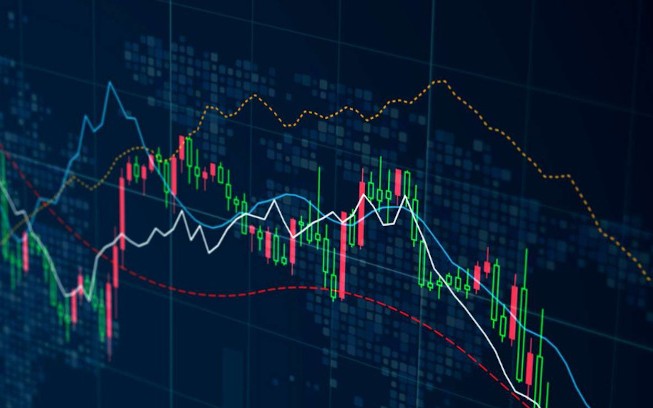
In the world of finance, Forex trading has emerged as a popular venture for many, offering opportunities for profit through currency exchange. However, for Muslim traders, the challenge lies in ensuring that their trading practices align with Islamic principles. islamic forex trading https://tradingarea-ng.com/ This article delves into the concept of Islamic Forex trading, exploring its framework, the principles that guide it, and the considerations Muslim traders must keep in mind while navigating the complexities of the Forex market.
Understanding Islamic Finance Principles
Islamic finance operates under a set of ethical principles rooted in Sharia law. At the core of these principles is the prohibition of riba, or interest, which is considered exploitative and unfair. As such, any financial transaction involving interest is deemed haram (forbidden). Additionally, Islamic finance emphasizes risk sharing, transparency, and ethical investing, promoting practices that do not involve speculation or gambling.
What is Islamic Forex Trading?
Islamic Forex trading refers to the practice of trading currencies in a manner that adheres to Islamic law. This entails avoiding any type of interest-based activity and ensuring that all trading operations are free from unethical elements. Many brokers now offer Islamic accounts, commonly referred to as swap-free accounts. These accounts are specifically designed to accommodate the needs of Muslim traders, allowing them to participate in Forex trading without violating Sharia principles.
Key Features of Islamic Forex Trading
1. Swap-free Accounts: The most significant feature of Islamic Forex trading is the availability of swap-free accounts. Traditional Forex accounts often incur swap fees for positions held overnight. In contrast, swap-free accounts do not have these fees, making them compliant with Islamic law.
2. Transparency: Islamic trading practices require transparency and honesty in all transactions. This means that traders should be aware of all fees and commissions involved in their trades, ensuring that they do not engage in hidden charges or exploitative practices.
3. Prohibition of Gharar: Gharar refers to excessive uncertainty or ambiguity in contracts, which is also forbidden in Islamic finance. Traders should avoid trades that involve high levels of uncertainty and speculation, focusing instead on sound investment strategies.
Choosing a Suitable Broker
When selecting a Forex broker for Islamic trading, it is vital to consider several factors to ensure that their practices align with your values and trading needs. Here are some crucial elements to keep in mind:

1. Regulation: Ensure that your chosen broker is regulated by a reputable financial authority. This guarantees a certain level of security and adherence to industry standards.
2. Islamic Account Availability: Verify that the broker offers a swap-free account option, along with the terms and conditions associated with it. This will help you avoid interest-based transactions and maintain compliance with Sharia law.
3. Trading Conditions: Look for brokers that provide competitive spreads, a variety of currency pairs, and robust trading platforms that facilitate efficient trading.
Strategies for Successful Islamic Forex Trading
While trading in compliance with Islamic principles, it’s essential to adopt strategies that enhance the likelihood of success in the market. Here are some effective strategies for Muslim traders:
1. Technical Analysis: Utilize technical analysis tools and charts to identify potential entry and exit points. Employ indicators such as Moving Averages, RSI, and Fibonacci retracement levels to inform your trading decisions.
2. Fundamental Analysis: Keep abreast of economic news and financial information that can impact currency values. Understanding macroeconomic factors helps traders make informed decisions about currency movements.
3. Risk Management: Implement robust risk management strategies by setting stop-loss and take-profit levels. This ensures that you limit potential losses and protect your capital while trading.
4. Stay Disciplined: Emotional trading can lead to impulsive decisions. Maintaining discipline and adhering to your trading plan is crucial for long-term success.
Conclusion
Islamic Forex trading provides Muslim traders with a viable avenue for engagement in the Forex market without compromising their religious beliefs. By understanding the principles of Islamic finance, opting for swap-free accounts, and adhering to ethical practices, traders can navigate the Forex market sustainably. As financial markets continue to evolve, it is essential for traders to stay informed, adapt to changes, and build a trading strategy that aligns with both their financial goals and Islamic values.
No Comments